
In a digital landscape rapidly shifting toward AI-driven discovery, traditional SEO is no longer enough to guarantee visibility. Today’s search engines and AI agents like ChatGPT, Gemini, and Claude don’t just crawl for keywords; they seek to understand the “Entity” behind the brand. To remain competitive, businesses must prioritize Entity Confidence: the measurable certainty an AI system has that your business is the authoritative answer to a user’s query.
What is Entity Confidence and Why Does It Matter?
Entity Confidence is built by providing consistent, structured data across your website, Google Business Profile, and social channels. Traditional search engines look for keywords, but AI and vector search engines look for meaning and relationships. When an AI understands that your business is linked to specific services and high-quality reviews, its confidence in recommending you grows; without this clarity, it will default to a competitor with better-structured data.
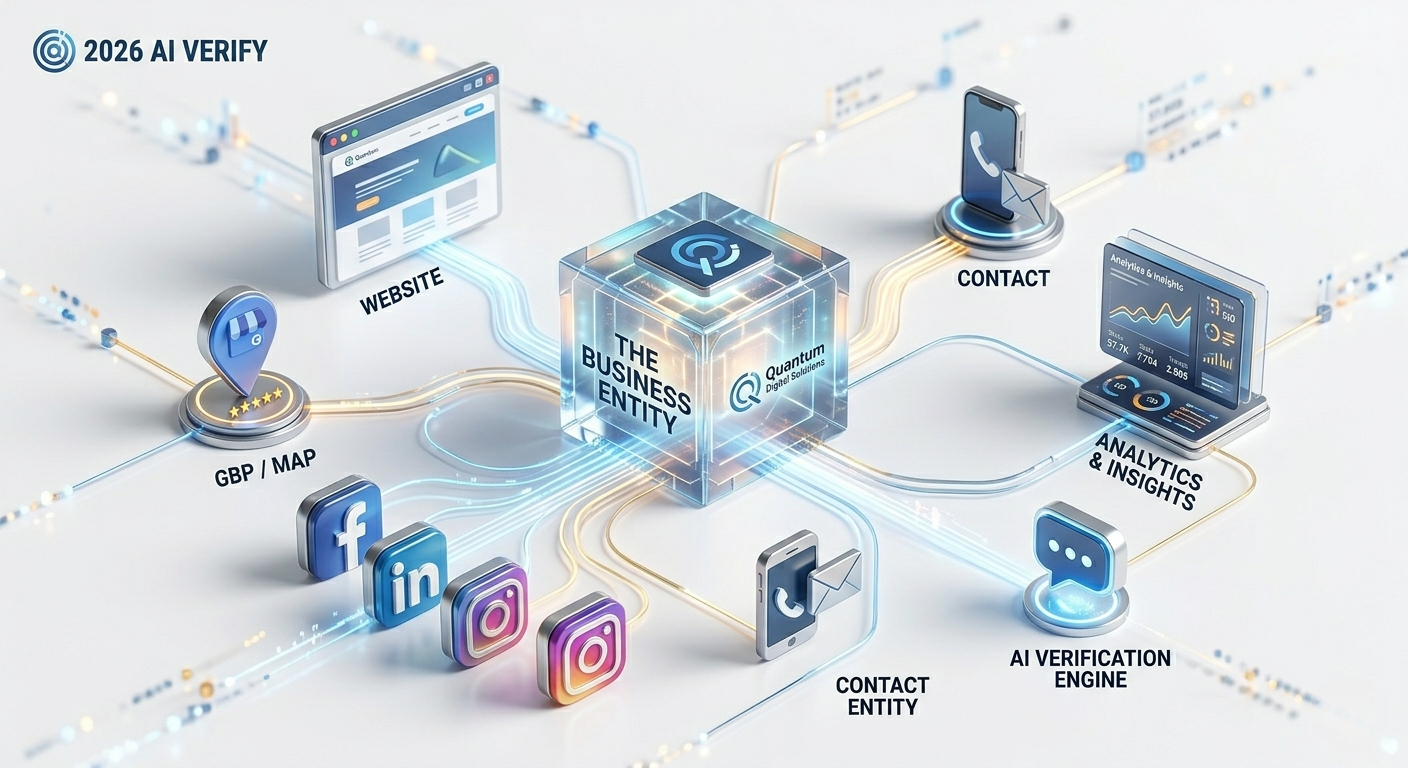
Step 1: Build a "Machine-Readable" Digital Hub
Your website is the “source of truth” for AI agents. If your site is slow or lacks structured data, AI bots will struggle to index your services accurately.
- Mobile-First Performance: Sites must load in under 3 seconds to be prioritized.
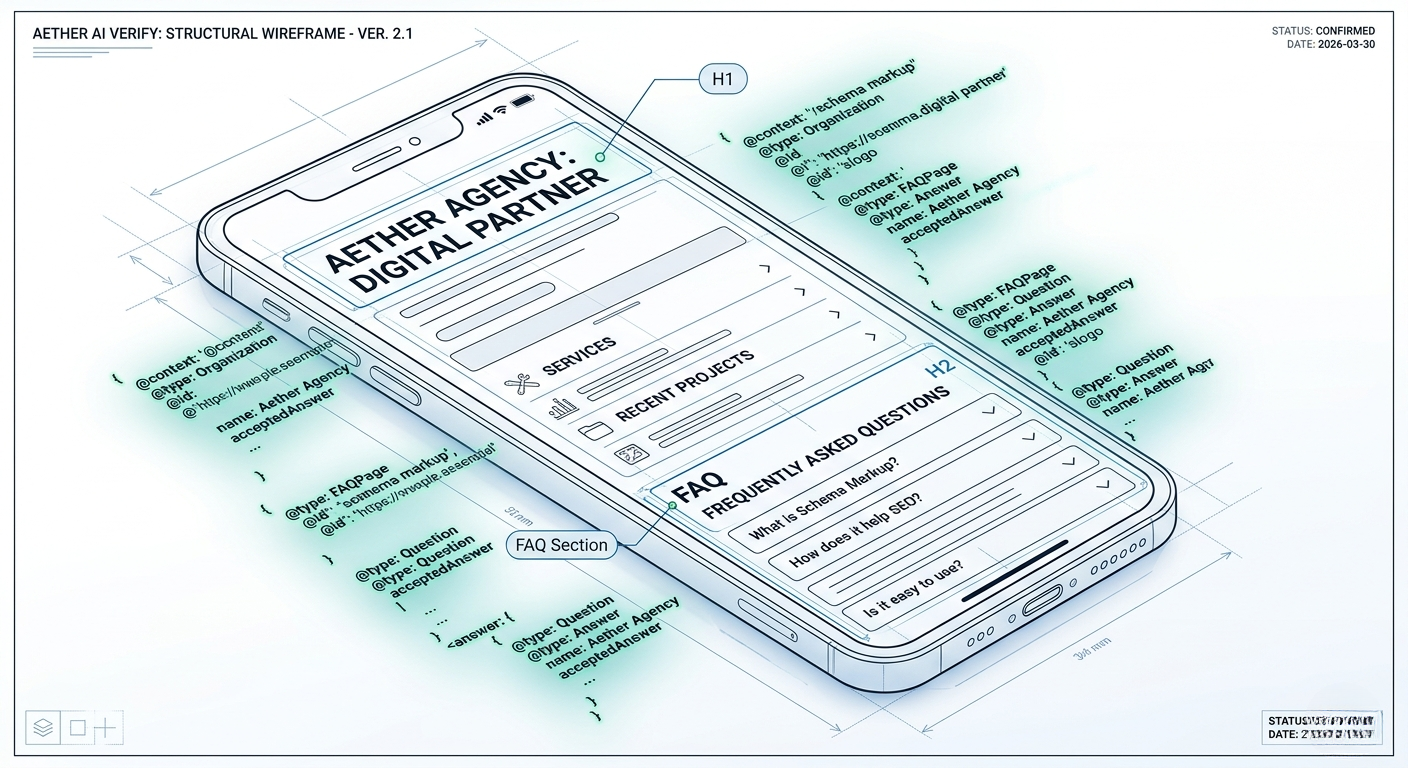
- Clean Architecture: Use clear headings (H1, H2) and FAQs to help AI map your expertise.
- Advanced Rank Math Integration: Implement schema.org markup so machines can read your hours, location, and services directly. Use “SameAs” properties to link your site to Wikipedia or social profiles to disambiguate your entity.
- Person-to-Entity Linking: Connect Organization Schema to Person Schema to prove a real-world authority is behind the brand.
Step 2: Solidify Your Google Business Profile (GBP)
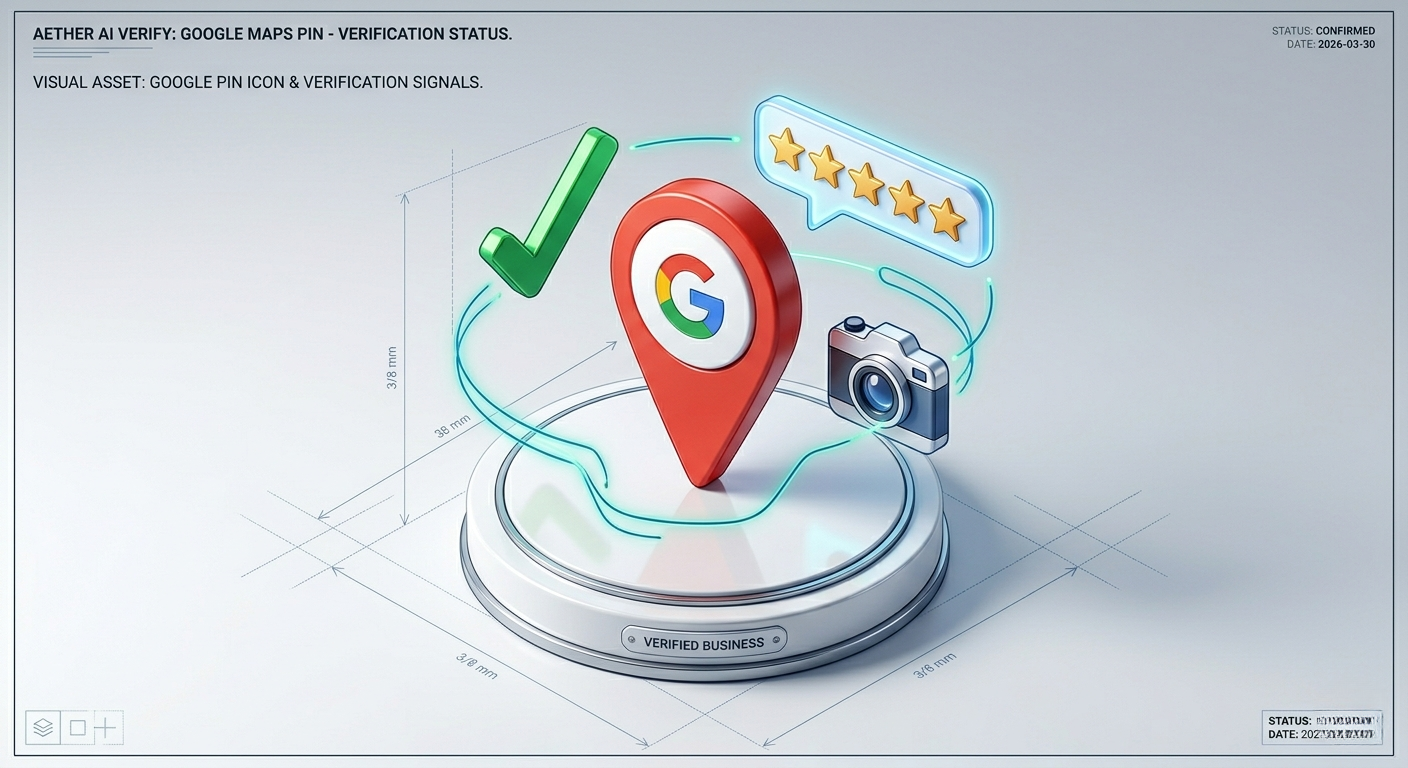
For local SMBs, your Google Profile acts as a primary verification node for the “Entity” you are building.
- NAP Consistency: Ensure your Name, Address, and Phone number are identical across the web.
- Proof of Life: Regular posts and recent reviews signal to AI that your business is active and trustworthy.
- Review Schema: Beyond text reviews, use schema to turn social proof into a machine-readable signal that increases your likelihood of being the “default answer”.
Step 3: Transition to Vector Search Optimization (VSO) & GEO
Once your foundation is set, you must optimize for semantic retrieval and Generative Engine Optimization (GEO).
- Answer-First Formatting: Place concise direct answers at the top of pages to increase your chance of being cited by AI.
- Conversational Content: Write how people speak to voice assistants.
- Modular Content: Break information into distinct “chunks” or sections so AI can easily scrape standalone answers.
- Internal Linking: Connect related topics on your site to show AI the depth of your knowledge.
The Growth Ladder Approach
The ladder to AI success starts with a stable digital foundation. You cannot jump to “fancy AI” if your website is broken or your Google Profile is unclaimed. Start with Tier 1: get findable, get trustable, and then get automated.
FAQs
- How is Vector Search different? Traditional search matches exact words; vector search understands the intent and context behind a search.
- Do I need an AI agent? Only once your digital foundation (website and Google Profile) is stable.
- What is the first step? A Tier 1 visibility fix, including a fast website and an optimized Google Business Profile.
- Why do reviews matter? They provide “social proof” that AI systems use to calculate your credibility.
Resources & Links
- AI & Automation Strategy: bigbrainway.com/ai-automation/
- Google Business Profile (GBP) Optimization: bigbrainway.com/services/google-business-profile
Booking Link: bigbrainway.com/contact/
0 Comments